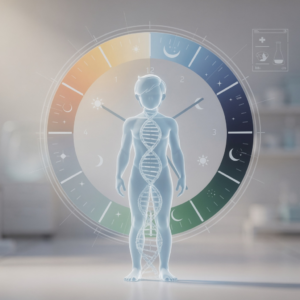
Heart health management through a healthy lifestyle, balanced nutrition, regular exercise, and weight management for overall wellness.

How to Keep Your Heart Healthy: A Complete Guide for Indians

You can look fit, eat home-cooked food and feel perfectly healthy – and still have high blood pressure or cholesterol without knowing it.

That is one of the biggest challenges in preventing heart disease. Some cardiovascular risk factors develop silently, without obvious symptoms.

For Indians, this deserves particular attention. Research published in The Lancet Global Health has documented the substantial burden of cardiovascular disease across India. South Asians may also develop cardiovascular disease at younger ages than some other populations.

So, how to keep your heart healthy before problems become apparent?

The answer is not simply to lose weight or avoid oily food. It involves building sustainable habits, identifying individual risk factors and understanding when medical assessment is necessary. A comprehensive DNA health test can support that process by showing how your genes may influence your diet, metabolism and long-term health.

The good news? You do not need an extreme diet, expensive superfoods or a complicated fitness routine to begin. You need consistent habits and the right information.

What Are 10 Ways to Keep Your Heart Healthy?
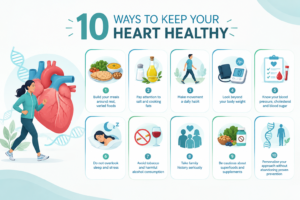
10 ways to keep your heart healthy infographic showing diet, salt intake, exercise, health screenings, sleep, tobacco avoidance, family history, supplements and personalised wellness.

1. Build your meals around real, varied foods

A heart-friendly diet does not mean abandoning Indian food.

Include vegetables, fruits, dal, beans, whole grains, nuts and appropriate protein sources. Choose whole grains more often than refined grains, and limit foods high in excess salt, added sugar and saturated fat.

Roti, dal, sabzi, curd and a sensible portion of rice can all fit into a balanced eating pattern. Millets such as jowar, bajra and ragi are useful options, too, but they are not automatically healthier than every other whole grain.

Focus on your overall eating pattern, not a single supposedly perfect food.

2. Pay attention to salt and cooking fats

Excess sodium can raise blood pressure, increasing the risk of heart disease and stroke.

In Indian diets, salt comes from unexpected places: pickles, papad, namkeen, packaged snacks, instant foods and sauces. The World Health Organization recommends adults consume less than 5 grams of salt daily from all sources.

Limit trans fats and excessive saturated fat, avoid repeatedly reusing cooking oil, and use unsaturated oils in appropriate amounts.

Cold-pressed oil is not automatically heart-protective simply because it is cold-pressed. The type of fat, quantity and overall diet matter more than the label.

3. Make movement a daily habit

If you are wondering how to make your heart stronger, regular aerobic activity is an excellent place to start.

Brisk walking, cycling, swimming and dancing can improve cardiovascular fitness. Adults should aim for 150–300 minutes of moderate-intensity aerobic activity each week, or the equivalent amount of vigorous activity. Strength training also has a place in a balanced routine.

You do not need to begin with intense workouts. Start at a manageable level, reduce prolonged sitting and build consistency.

The most effective routine is one you can sustain—not the one that looks most impressive on social media.

4. Look beyond your body weight

A normal BMI does not automatically mean your metabolic health is ideal.

Abdominal fat, blood pressure, blood sugar and blood lipids all contribute to cardiovascular risk. Some South Asians experience metabolic risk at lower BMI levels than certain other populations.

This does not mean every lean person is at risk or every person with excess weight will develop heart disease. It means weight alone is an incomplete measure of health.

Pay attention to your waist circumference, physical activity and relevant health indicators rather than judging your cardiovascular health by appearance.

5. Know your blood pressure, cholesterol and blood sugar

High blood pressure and abnormal cholesterol can remain undetected for years. Diabetes can also increase cardiovascular risk.

Do not wait until you feel unwell to consider preventive health checks.

Depending on your age, family history and individual risk, discuss appropriate assessments with a healthcare professional, including blood pressure measurement, a lipid profile and blood glucose or HbA1c testing.

Additional tests, such as ApoB or lipoprotein(a), may be useful for selected individuals depending on their clinical circumstances and family history.

Feeling healthy is encouraging. Measuring the right health indicators gives you more useful information.

6. Do not overlook sleep and stress

Sleep and stress affect more than how energetic you feel the next morning.

Most adults should aim for around seven to nine hours of sleep. Persistent loud snoring, gasping during sleep or excessive daytime sleepiness may warrant assessment for sleep apnoea.

Stress management also deserves attention. Walking, yoga, breathing exercises and time away from work may support wellbeing and healthier routines.

However, do not automatically blame stress or poor sleep for cardiovascular symptoms. New or persistent symptoms need appropriate medical assessment.

7. Avoid tobacco and harmful alcohol consumption

Smoking and other forms of tobacco increase cardiovascular risk. Avoiding tobacco – and seeking support to quit if necessary – is one of the most important steps you can take for your heart.

Alcohol should not be started or increased in the belief that it protects the heart. Excessive consumption can contribute to high blood pressure and other health problems.

Rather than searching for a protective supplement or drink, prioritise habits with established benefits.

8. Take family history seriously

Has a close relative experienced a heart attack or developed cardiovascular disease at a relatively young age?

Share that information with your healthcare professional. Family history can influence the timing and type of risk assessment you may need.

Genetics can contribute to cardiovascular risk, but it does not determine every outcome. Lifestyle, environment, age and existing health conditions also matter.

A healthy lifestyle remains valuable even when inherited risk is present.

9. Be cautious about superfoods and supplements

Nuts, seeds, leafy vegetables and other nutrient-rich foods can form part of a healthy diet. But no single food can compensate for uncontrolled blood pressure, high LDL cholesterol, smoking or physical inactivity.

The same caution applies to supplements marketed for antioxidants, inflammation or heart protection. A biological mechanism does not automatically prove that a supplement prevents heart attacks.

Use supplements when there is a sound reason to do so, and seek professional advice where appropriate.

10. Personalise your approach without abandoning proven prevention

General recommendations provide a strong foundation, but individual circumstances differ.

Your family history, health measurements, dietary habits, activity levels and certain biological characteristics may influence the most appropriate approach to lifestyle management.

This is where personalised wellness approaches, including Nutrigenomics, may offer another perspective. The important distinction is between gaining additional information and assuming every genetic finding requires a specific intervention.


Can Nutrigenomics Show You How to Make Your Heart Healthy? 
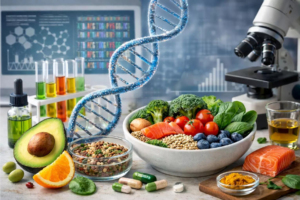
Nutrigenomics and personalised nutrition showing DNA analysis, laboratory equipment, healthy foods, fruits, vegetables, nuts and salmon.

Nutrigenomics explores how genes and nutrition interact. Research examines whether genetic variations influence responses to certain nutrients and dietary patterns.

For example, genes involved in lipid metabolism are relevant to how the body processes fats. However, identifying a common genetic variant does not automatically tell someone which diet will prevent cardiovascular disease.

The evidence for using Nutrigenomics to guide the prevention of complex cardiovascular conditions remains limited, and its usefulness varies according to the specific application.

A DNA-based lifestyle assessment should therefore be viewed as a potential source of additional context – not a diagnosis, a prediction of whether you will have a heart attack, or a substitute for established health checks.

At GeneSupport, Nutrigenomics is part of a personalized wellness approach that explores relevant genetic characteristics in the context of nutrition and lifestyle. Its role is to support informed lifestyle discussions within the limits of the available evidence.

Personalisation is valuable when it adds meaningful information to sound health decisions—not when it replaces them.

How to Keep Heart Health Naturally Without Medication?

Lifestyle changes can improve several important cardiovascular risk factors. However, natural approaches are not always sufficient on their own.

People with high blood pressure, elevated cholesterol, diabetes or established cardiovascular disease may need prescribed medication alongside lifestyle changes. Never stop or change prescribed treatment without medical advice.

Sudden chest pain or pressure, severe breathlessness, cold sweating or pain spreading to the arm, jaw or back may indicate a medical emergency. Seek emergency care immediately.

Your Daily Heart-Health Checklist

  • Eat a varied diet rich in vegetables, fruits, whole grains and legumes.
  • Include regular physical activity and reduce prolonged sitting.
  • Limit excess salt, highly processed foods and unhealthy fats.
  • Avoid tobacco and harmful alcohol consumption.
  • Prioritise adequate sleep and sustainable stress management.
  • Check blood pressure and discuss appropriate cholesterol and blood sugar screening.
  • Share relevant family history with your healthcare professional.

How to Make Heart-Healthy Choices That Fit Your DNA 

Knowing how to keep your heart healthy is not about finding one superfood, one perfect workout or one genetic answer.

It is about building habits that support your heart, identifying risk factors that may otherwise go unnoticed, and making informed decisions based on your individual circumstances.

Your heart does not need extreme measures. It needs consistent care – and attention to the things you cannot assess by appearance alone.

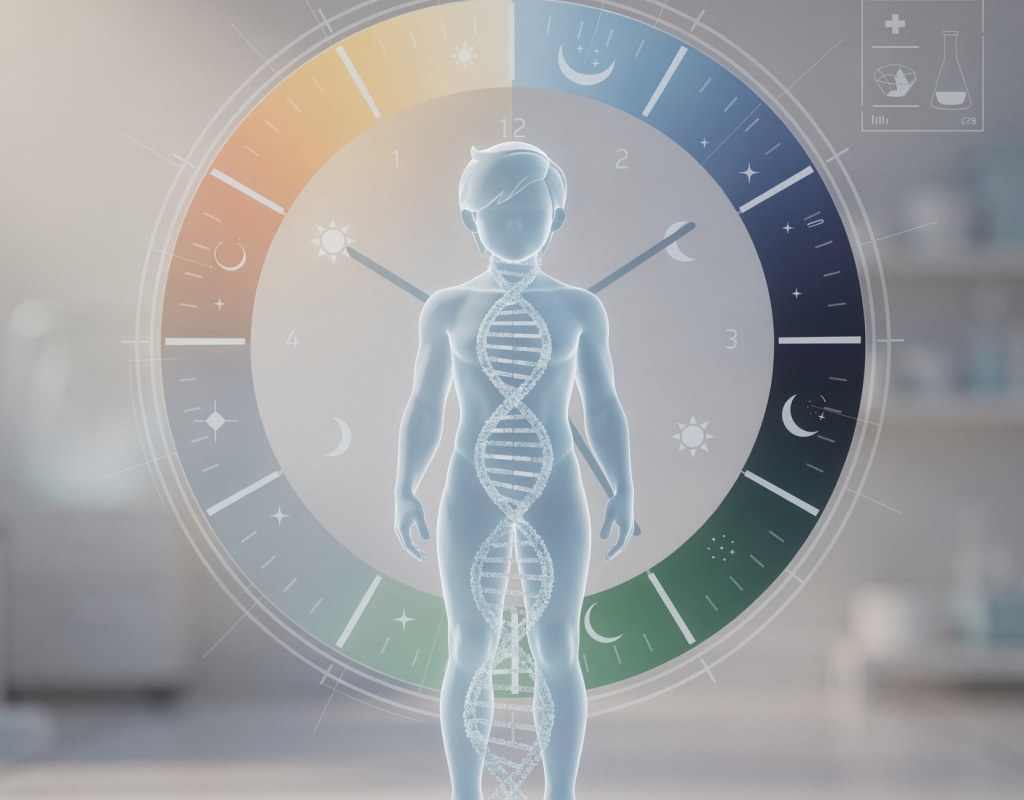
DNA blueprint concept for personalized health versus generic diet trends -GeneSupport blog

Your DNA: The Silent Compass of Your Health

The Blueprint vs. The Trend

We live in an era of “health noise.” Every week, a new superfood is crowned, and a new workout is labeled “essential.” But if health were a simple math equation, we would all be at our peak. Why does one person thrive on a plant-based diet while another feels depleted? Why does a morning run energize your neighbor but leave you exhausted?

The answer isn’t that you are “failing” the diet; it’s that the diet might be failing your biological blueprint.

Tuning Your Instrument

Think of your body as a high-end musical instrument. You can’t play a violin with a cello bow and expect a masterpiece. Your DNA is the “tuning” of your specific instrument.

Most health advice is written for the “average” person—but the average person doesn’t exist. When you understand your genetic markers, you stop “guessing” which strings to pull. You finally have the sheet music for your own body.

The Science of Bio-Individuality

Health is not a destination; it is an act of precision. Our genes dictate the “finer details” that general health trends miss:

  • Nutrient Conversion: Some bodies are maestros at converting sunlight into Vitamin D or plant-based fats into brain-healthy DHA; others are genetically sluggish at it.
  • Metabolic Pace: Your genes determine if you are a “sprint” burner or an “endurance” burner. Forcing the wrong pace creates biological friction, leading to burnout.
  • The Stress Response: DNA influences how quickly your body clears cortisol. What one person calls “exciting stress” might be “toxic stress” to your cellular system.

Empowerment Through Clarity

The goal of genomic awareness isn’t to restrict your life – it is to liberate it.

When you align your lifestyle with your biology, you stop fighting an uphill battle. You gain “Ageless Energy” because you are no longer wasting resources on habits that don’t serve your code. You move from a state of trying to be healthy to a state of being compatible with yourself.

The Path Forward

True wellness is the ultimate act of self-respect. It begins with curiosity: What does my body actually need to thrive? By shifting the focus from “what the world says is healthy” to “what my biology says is necessary,” you transform your health from a chore into a lifestyle of ease. Listen to the code within—it’s the only health authority that truly matters.


ChronoGenomics: how circadian rhythm and genetics influence meal timing and metabolism - GeneSupport blog

ChronoGenomics: How Your Biological Clock Influences When You Eat

ChronoGenomics is the study of how the body’s circadian rhythm interacts with genetic is the study of how the body’s circadian rhythm interacts with genetic variation to influence metabolism, digestion, and energy use throughout the day. It helps explain why meal timing can affect individuals differently based on their biological clock and genetic makeup.

Most nutrition advice focuses on what to eat. Increasingly, research suggests that when you eat can also influence metabolic health, particularly when individual biological differences are considered.

ChronoGenomics brings together two well-established 

areas of science—circadian biology and genetics—to better understand why people respond differe

ntly to the same eating patterns.

What Is the Circadian Rhythm?

The circadian rhythm is the body’s internal 24-hour clock. It regulates essential processes such as:

  • Sleep–wa
  • ke cycles
  • Hormone secretion
  • Digestion and metabolism
  • Energy utilization

These processes follow daily patterns. For many people, the body handles nutrients more efficiently earlier in the day, while metabolic activity tends to slow toward night. However, this pattern is not identical for everyone.

How Circadian Rhythm Influences Metabolism

Circadian rhythms affect key metabolic functions, including:

  • Insulin sensitiGlucose regulation
  • Fat storage and energy expenditure

Research suggests that glucose tolerance often declines later in the day, which may influence how the body responds to the same meal eaten at different times. Disruptions to circadian rhythm—such as irregular sleep or inconsistent meal timing—may further affect metabolic regulation.

These effects are influenced by lifestyle factors, but biology also plays a role.

Where Genetics Fits In

Certain genes are involved in regulating circadian timing and metabolic responses. Variations in these genes can influence:

  • How the bodyresponds to carbohydrates and fats
  • Appetite and hunger signalling
  • Stress hormone release
  • Preference for earlier or later activity and eating

These genetic differences do not determine outcomes on their own. Instead, they shape tendencies, helping explain why identical diets or meal schedules may produce different results in different people.

ChronoGenomics does

 not change nutrition fundamentals—it adds biological context.

Does Meal Timing Affect Everyone the Same Way?

No.

Studies suggest that:

  • Late eating may be associated with less favorable metabolic markers in some individuals
  • Consistency in meal timing may support metabolic stability
  • Responses vary based on sleep, activity levels, stress, and genetics

This variability is why rigid eating rules often fail. ChronoGenomics encourages a more individualized perspective, focusing on patterns and responses rather than fixed schedules.

The Relationship Between Sleep and Eating Time

Sleep and metabolism are closely connected.

Poor or irregular sleep

can:

  • Disrupt hunger and satiety hormones
  • Reduce insulin sensitivity
  • Increase cravings for energy-dense foods

Similarly, eating heavy meals close to bedtime may interfere with sleep quality for some people, which can then influence metabolic function the following day. Aligning eating habits with natural sleep–wake cycles may support both digestion and rest.

Practical, Evidenc

Without adopting extreme approaches, circadian research commonly supports:

  • Keeping meal times relatively consistent
  • Avoiding heavy meals close to bedtime when possible
  • Paying attention to energy and hunger patterns across the day
  • Prioritizing sleep regularity alongside nutrition
  • Accepting that individual responses vary

These strategies emphasize awareness and flexibility, not restriction.

Why ChronoGenomics Is Gaining Attention

As nutrition science evolves, there is growing recognition that:

  • Individual variability matters
  • One-size-fits-all advice has limitations
  • Sustainable health strategies benefit from personalization

ChronoGenomics reflects a broader shift toward understanding how timing, biology, and lifestyle interact, without overpromising outcomes.

Key Takeaway

Meal timing is not about trends or rigid rules.
It is about understanding how your body responds at different times of the day.

ChronoGenomics

 offers a thoughtful framework to explore:

  • When you eat
  • How sleep and stress interact with metabolism
  • Why responses differ between individuals

Informed choices begin with awareness—not assumptions

DNA-based weight management and personalized exercise for men and women - GeneSupport

Personalized Weight Loss: How Your DNA Reveals Your Perfect Diet & Workout Plan

Why Some Diets Work for You and Not for Others

If you’ve ever followed a friend’s “miracle diet” only to see no results while they lost weight easily, you’re not alone.
The difference isn’t about motivation it’s about genetics.

Studies show that 40–70% of body-weight regulation is influenced by your genes which control hunger, metabolism, and how your body stores fat.

This is where DNA-based weight management comes in. It helps you understand your body’s unique genetic responses to food and exercise, so you can make choices that actually work for you not against you.

The Science Behind Genetic Weight Management

When it comes to your DNA, four major biological systems play a role in how your body manages weight:

  1. Appetite and hunger signalling
  2. Fat storage and fat burning
  3. Carbohydrate and insulin response
  4. Exercise and energy expenditure

Each of these areas is influenced by specific genes. Understanding them helps you personalize your diet and fitness plan effectively.

  1. The FTO Gene — The Hunger Regulator

Do you often feel hungry soon after a meal or crave comfort foods?

Your  FTO gene could be influencing that.

Certain variants of this gene increase ghrelin, the hunger hormone, leading to stronger cravings and less fullness after eating.

What helps:

Empowerment takeaway:
Understanding your FTO gene helps you manage appetite with strategy, not restriction.

  1. The PPARG Gene — The Fat Storage Switch

The PPARG gene determines whether your body prefers to burn fat or store it. Certain gene variants make you more sensitive to high-fat diets.

What helps:

  • Choose unsaturated fats and balanced carb–protein meals.
  • Example meals: bajra roti with dal, brown rice with rajma, or millet upma with curd.
  • Add strength training to improve insulin sensitivity and fat-burning efficiency.

Empowerment takeaway:
When you understand your PPARG profile, you can eat smarter, not stricter.

  1. The ADRB2 Gene — Your Fat-Burn Efficiency

This gene influences how efficiently your body breaks down stored fat

during exercise. Some people respond better to long walks, while others need bursts of intensity.

What helps:

  • Include interval-based workouts (HIIT, sprint bursts, skipping, or stair r
  • uns) 2–3 times per week.
  • Refuel with protein-rich snacks like boiled chana, peanut chaat, tofu stir fry, or curd with seeds.

Empowerment takeaway:
If your fat loss has plateaued, your ADRB2 gene may simply be asking for a d

  1. The TCF7L2 Gene — How Your Body Handles Carbs

The TCF7L2 gene affects insulin release and blood sugar control. Some people

gain weight more easily from refined carbs because of slower glucose regulation.

What helps:

  • Choose low-glycemic, fibre-rich foods: red rice, rajgira roti, 
    mixed dal khichdi
    , or kala chana curry.
  • Always pair carbs with protein or fibre like dosa + sambar, poha
    + peanuts + curd, or rice + dal.

Empowerment takeaway:
Knowing your TCF7L2 type helps you eat carbs that sustain energy not store fat.

So, What Does DNA-Based Weight Management Change?

Different style of exercise. Once you understand your genetic profile, everything about weight management becomes clearer:
You’ll know why hunger feels different for you.

You’ll understand why some diets or workouts never worked.
You’ll align your meals and workouts with y

our true biology.

That’s the shift from guessing your way to fitness to understanding your body’s unique design.

Empowerment in Every Gene

Your genes don’t dictate your destiny they reveal your potential.
When you understand how your body is wired to process food, respond to exercise, and store energy, you gain the freedom to make health decisions that truly work for you.

If you’ve ever wanted to understand your body better, exploring your DNA-based wellness insights can be an empowering first step toward a more personalized, sustainable approach to weight management.


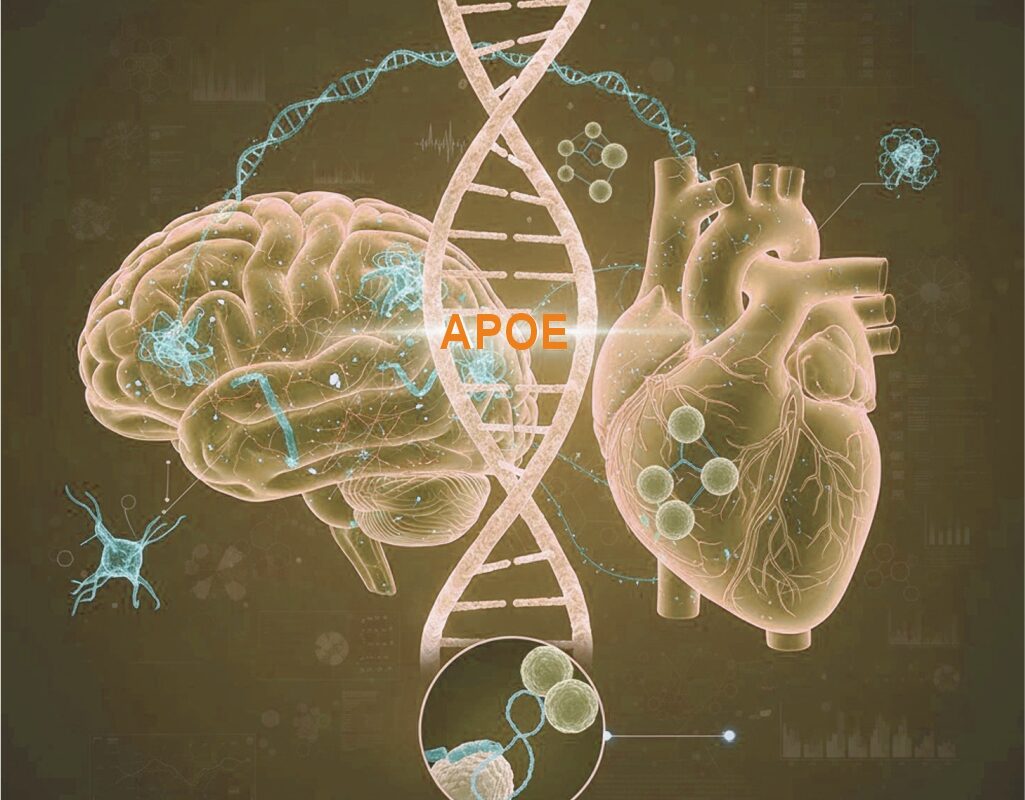
APOE gene DNA double helix connecting the brain and heart, illustrating how the APOE Gene Test reveals genetic links between cognitive health, memory, cholesterol and cardiovascular risk - GeneSupport nutrigenomics

Is Your DNA Sabotaging Your Cholesterol? The Gene That Links Heart and Brain Health

We personalize everything in our lives, from playlists to financial plans. Why rely on one size fits all health advice for your most vital organs—your brain and heart?

The secret to sharper memory and a resilient heart isn’t found in a fad. It’s encoded in your DNA. Understanding this genetic factor isn’t a threat; it’s a strategic advantage in your quest for long term vitality.

Your Genetic Risk Factor: The APOE Gene

Meet the APOE gene (Apolipoprotein E). It acts as your body’s chief fat and cholesterol traffic controller, profoundly influencing two major health areas:

  • Heart Health: It dictates how efficiently your body transports and clears fats, directly impacting your cholesterol profile and arterial health.


  • Brain Health: It is essential for neuron maintenance and clearing cellular debris, a process crucial for memory loss prevention.


Everyone carries two copies of this gene. However, the presence of the E4 allele is a key genetic factor that heightens your risk profile for both cardiovascular issues and conditions like ‘Late Onset Alzheimer’s Disease’.

Crucial Insight: Carrying this gene variation does not 

guarantee illness. It simply means your genetic blueprint requires a more focused, personalized prevention plan.


The Anti Destiny Playbook: Personalized Nutrition & Your DNA

This is where the power of Nutrigenomics the link between your genes and nutrition offers the ultimate defence.

If your APOE status is the blueprint of potential risk, your nutrition and lifestyle choices are the engineers who can modify that structure. Knowledge is control.

 Your 3 Point Strategy for Prevention

Knowing your genetic status immediately shifts your health strategy from guessing to precision.

  1. Stop Diet Guesswork: If you carry the  E4 allele, your body is less efficient at clearing certain fats. You need a customized plan for precision fat management. Generic “healthy eating” isn’t enough; you must strategically limit or swap specific fats that your unique metabolism struggles with, directly lowering both your cholesterol and inflammation.
  2. Targeted Anti Inflammation: This variant creates greater cellular stress. Your personalized plan must prioritize nutrients—specific Omega 3s, antioxidants, and vitamins—that are scientifically proven to combat neuro inflammation and protect your blood vessels. This is targeted protection against cognitive decline.
  3. Prioritize Dual Impact Choices: Use your genetic knowledge as the ultimate motivation for non negotiable habits: Daily aerobic exercise (the most potent defence for both your heart and your brain), optimal sleep, and effective stress reduction.

Ready to Find Your Personalized Prevention Plan?

In a world full of generic advice, choosing to ignore the specific guidance of your DNA is a critical mistake.

The truly intelligent question is: “What is the most powerful, customized defence strategy I can build based on my unique genetic code?”

Understanding your APOE status is not about fear; it’s about gaining control over your future. It’s the knowledge you need to start the conversation about a truly personalized prevention plan that anticipates risk.

Your DNA holds the key to the most effective health plan you will ever have. It’s time to unlock it and begin living with the clarity and confidence of knowing your ultimate health roadmap.

To translate this crucial genetic information into a practical, actionable lifestyle blueprint, seek out specialized expertise in nutrigenomics and personalized risk management. This informed conversation is the single most powerful step you can take toward securing your long-term vitality.