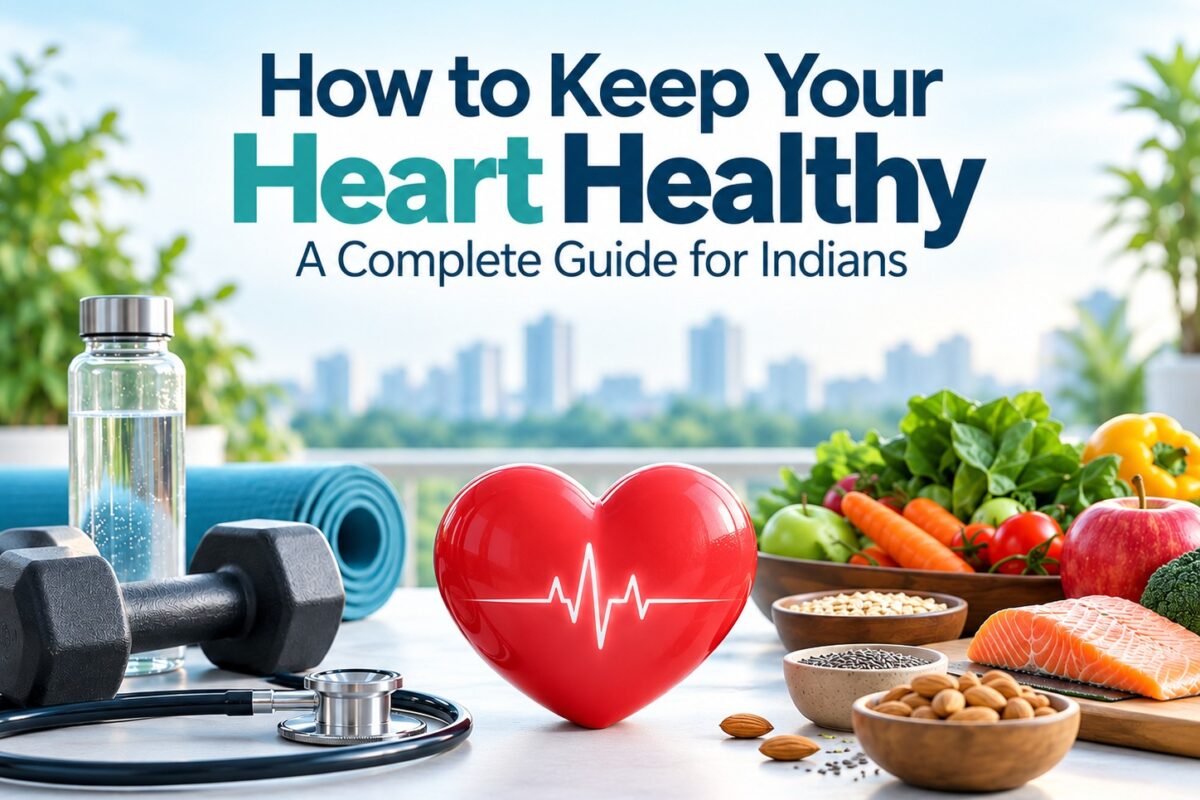
You can look fit, eat home-cooked food and feel perfectly healthy – and still have high blood pressure or cholesterol without knowing it.
That is one of the biggest challenges in preventing heart disease. Some cardiovascular risk factors develop silently, without obvious symptoms.
For Indians, this deserves particular attention. Research published in The Lancet Global Health has documented the substantial burden of cardiovascular disease across India. South Asians may also develop cardiovascular disease at younger ages than some other populations.
So, how to keep your heart healthy before problems become apparent?
The answer is not simply to lose weight or avoid oily food. It involves building sustainable habits, identifying individual risk factors and understanding when medical assessment is necessary. A comprehensive DNA health test can support that process by showing how your genes may influence your diet, metabolism and long-term health.
The good news? You do not need an extreme diet, expensive superfoods or a complicated fitness routine to begin. You need consistent habits and the right information.
What Are 10 Ways to Keep Your Heart Healthy?
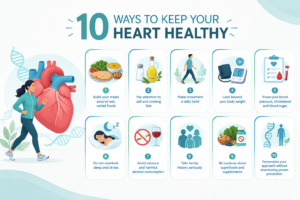
1. Build your meals around real, varied foods
A heart-friendly diet does not mean abandoning Indian food.
Include vegetables, fruits, dal, beans, whole grains, nuts and appropriate protein sources. Choose whole grains more often than refined grains, and limit foods high in excess salt, added sugar and saturated fat.
Roti, dal, sabzi, curd and a sensible portion of rice can all fit into a balanced eating pattern. Millets such as jowar, bajra and ragi are useful options, too, but they are not automatically healthier than every other whole grain.
Focus on your overall eating pattern, not a single supposedly perfect food.
2. Pay attention to salt and cooking fats
Excess sodium can raise blood pressure, increasing the risk of heart disease and stroke.
In Indian diets, salt comes from unexpected places: pickles, papad, namkeen, packaged snacks, instant foods and sauces. The World Health Organization recommends adults consume less than 5 grams of salt daily from all sources.
Limit trans fats and excessive saturated fat, avoid repeatedly reusing cooking oil, and use unsaturated oils in appropriate amounts.
Cold-pressed oil is not automatically heart-protective simply because it is cold-pressed. The type of fat, quantity and overall diet matter more than the label.
3. Make movement a daily habit
If you are wondering how to make your heart stronger, regular aerobic activity is an excellent place to start.
Brisk walking, cycling, swimming and dancing can improve cardiovascular fitness. Adults should aim for 150–300 minutes of moderate-intensity aerobic activity each week, or the equivalent amount of vigorous activity. Strength training also has a place in a balanced routine.
You do not need to begin with intense workouts. Start at a manageable level, reduce prolonged sitting and build consistency.
The most effective routine is one you can sustain—not the one that looks most impressive on social media.
4. Look beyond your body weight
A normal BMI does not automatically mean your metabolic health is ideal.
Abdominal fat, blood pressure, blood sugar and blood lipids all contribute to cardiovascular risk. Some South Asians experience metabolic risk at lower BMI levels than certain other populations.
This does not mean every lean person is at risk or every person with excess weight will develop heart disease. It means weight alone is an incomplete measure of health.
Pay attention to your waist circumference, physical activity and relevant health indicators rather than judging your cardiovascular health by appearance.
5. Know your blood pressure, cholesterol and blood sugar
High blood pressure and abnormal cholesterol can remain undetected for years. Diabetes can also increase cardiovascular risk.
Do not wait until you feel unwell to consider preventive health checks.
Depending on your age, family history and individual risk, discuss appropriate assessments with a healthcare professional, including blood pressure measurement, a lipid profile and blood glucose or HbA1c testing.
Additional tests, such as ApoB or lipoprotein(a), may be useful for selected individuals depending on their clinical circumstances and family history.
Feeling healthy is encouraging. Measuring the right health indicators gives you more useful information.
6. Do not overlook sleep and stress
Sleep and stress affect more than how energetic you feel the next morning.
Most adults should aim for around seven to nine hours of sleep. Persistent loud snoring, gasping during sleep or excessive daytime sleepiness may warrant assessment for sleep apnoea.
Stress management also deserves attention. Walking, yoga, breathing exercises and time away from work may support wellbeing and healthier routines.
However, do not automatically blame stress or poor sleep for cardiovascular symptoms. New or persistent symptoms need appropriate medical assessment.
7. Avoid tobacco and harmful alcohol consumption
Smoking and other forms of tobacco increase cardiovascular risk. Avoiding tobacco – and seeking support to quit if necessary – is one of the most important steps you can take for your heart.
Alcohol should not be started or increased in the belief that it protects the heart. Excessive consumption can contribute to high blood pressure and other health problems.
Rather than searching for a protective supplement or drink, prioritise habits with established benefits.
8. Take family history seriously
Has a close relative experienced a heart attack or developed cardiovascular disease at a relatively young age?
Share that information with your healthcare professional. Family history can influence the timing and type of risk assessment you may need.
Genetics can contribute to cardiovascular risk, but it does not determine every outcome. Lifestyle, environment, age and existing health conditions also matter.
A healthy lifestyle remains valuable even when inherited risk is present.
9. Be cautious about superfoods and supplements
Nuts, seeds, leafy vegetables and other nutrient-rich foods can form part of a healthy diet. But no single food can compensate for uncontrolled blood pressure, high LDL cholesterol, smoking or physical inactivity.
The same caution applies to supplements marketed for antioxidants, inflammation or heart protection. A biological mechanism does not automatically prove that a supplement prevents heart attacks.
Use supplements when there is a sound reason to do so, and seek professional advice where appropriate.
10. Personalise your approach without abandoning proven prevention
General recommendations provide a strong foundation, but individual circumstances differ.
Your family history, health measurements, dietary habits, activity levels and certain biological characteristics may influence the most appropriate approach to lifestyle management.
This is where personalised wellness approaches, including Nutrigenomics, may offer another perspective. The important distinction is between gaining additional information and assuming every genetic finding requires a specific intervention.
Can Nutrigenomics Show You How to Make Your Heart Healthy?

Nutrigenomics explores how genes and nutrition interact. Research examines whether genetic variations influence responses to certain nutrients and dietary patterns.
For example, genes involved in lipid metabolism are relevant to how the body processes fats. However, identifying a common genetic variant does not automatically tell someone which diet will prevent cardiovascular disease.
The evidence for using Nutrigenomics to guide the prevention of complex cardiovascular conditions remains limited, and its usefulness varies according to the specific application.
A DNA-based lifestyle assessment should therefore be viewed as a potential source of additional context – not a diagnosis, a prediction of whether you will have a heart attack, or a substitute for established health checks.
At GeneSupport, Nutrigenomics is part of a personalized wellness approach that explores relevant genetic characteristics in the context of nutrition and lifestyle. Its role is to support informed lifestyle discussions within the limits of the available evidence.
Personalisation is valuable when it adds meaningful information to sound health decisions—not when it replaces them.
How to Keep Heart Health Naturally Without Medication?
Lifestyle changes can improve several important cardiovascular risk factors. However, natural approaches are not always sufficient on their own.
People with high blood pressure, elevated cholesterol, diabetes or established cardiovascular disease may need prescribed medication alongside lifestyle changes. Never stop or change prescribed treatment without medical advice.
Sudden chest pain or pressure, severe breathlessness, cold sweating or pain spreading to the arm, jaw or back may indicate a medical emergency. Seek emergency care immediately.
Your Daily Heart-Health Checklist
- Eat a varied diet rich in vegetables, fruits, whole grains and legumes.
- Include regular physical activity and reduce prolonged sitting.
- Limit excess salt, highly processed foods and unhealthy fats.
- Avoid tobacco and harmful alcohol consumption.
- Prioritise adequate sleep and sustainable stress management.
- Check blood pressure and discuss appropriate cholesterol and blood sugar screening.
- Share relevant family history with your healthcare professional.
How to Make Heart-Healthy Choices That Fit Your DNA
Knowing how to keep your heart healthy is not about finding one superfood, one perfect workout or one genetic answer.
It is about building habits that support your heart, identifying risk factors that may otherwise go unnoticed, and making informed decisions based on your individual circumstances.
Your heart does not need extreme measures. It needs consistent care – and attention to the things you cannot assess by appearance alone.