

Personalized Weight Loss: How Your DNA Reveals Your Perfect Diet & Workout Plan

Why Some Diets Work for You and Not for Others

If you’ve ever followed a friend’s “miracle diet” only to see no results while they lost weight easily, you’re not alone.
The difference isn’t about motivation it’s about genetics.

Studies show that 40–70% of body-weight regulation is influenced by your genes which control hunger, metabolism, and how your body stores fat.

This is where DNA-based weight management comes in. It helps you understand your body’s unique genetic responses to food and exercise, so you can make choices that actually work for you not against you.

The Science Behind Genetic Weight Management

When it comes to your DNA, four major biological systems play a role in how your body manages weight:

  1. Appetite and hunger signalling
  2. Fat storage and fat burning
  3. Carbohydrate and insulin response
  4. Exercise and energy expenditure

Each of these areas is influenced by specific genes. Understanding them helps you personalize your diet and fitness plan effectively.

  1. The FTO Gene — The Hunger Regulator

Do you often feel hungry soon after a meal or crave comfort foods?

Your  FTO gene could be influencing that.

Certain variants of this gene increase ghrelin, the hunger hormone, leading to stronger cravings and less fullness after eating.

What helps:

Empowerment takeaway:
Understanding your FTO gene helps you manage appetite with strategy, not restriction.

  1. The PPARG Gene — The Fat Storage Switch

The PPARG gene determines whether your body prefers to burn fat or store it. Certain gene variants make you more sensitive to high-fat diets.

What helps:

  • Choose unsaturated fats and balanced carb–protein meals.
  • Example meals: bajra roti with dal, brown rice with rajma, or millet upma with curd.
  • Add strength training to improve insulin sensitivity and fat-burning efficiency.

Empowerment takeaway:
When you understand your PPARG profile, you can eat smarter, not stricter.

  1. The ADRB2 Gene — Your Fat-Burn Efficiency

This gene influences how efficiently your body breaks down stored fat

during exercise. Some people respond better to long walks, while others need bursts of intensity.

What helps:

  • Include interval-based workouts (HIIT, sprint bursts, skipping, or stair r
  • uns) 2–3 times per week.
  • Refuel with protein-rich snacks like boiled chana, peanut chaat, tofu stir fry, or curd with seeds.

Empowerment takeaway:
If your fat loss has plateaued, your ADRB2 gene may simply be asking for a d

  1. The TCF7L2 Gene — How Your Body Handles Carbs

The TCF7L2 gene affects insulin release and blood sugar control. Some people

gain weight more easily from refined carbs because of slower glucose regulation.

What helps:

  • Choose low-glycemic, fibre-rich foods: red rice, rajgira roti
    mixed dal khichdi
    , or kala chana curry.
  • Always pair carbs with protein or fibre like dosa + sambar, poha
    + peanuts + curd, or rice + dal.

Empowerment takeaway:
Knowing your TCF7L2 type helps you eat carbs that sustain energy not store fat.

So, What Does DNA-Based Weight Management Change?

Different style of exercise. Once you understand your genetic profile, everything about weight management becomes clearer:
You’ll know why hunger feels different for you.

You’ll understand why some diets or workouts never worked.
You’ll align your meals and workouts with y

our true biology.

That’s the shift from guessing your way to fitness to understanding your body’s unique design.

Empowerment in Every Gene

Your genes don’t dictate your destiny they reveal your potential.
When you understand how your body is wired to process food, respond to exercise, and store energy, you gain the freedom to make health decisions that truly work for you.

If you’ve ever wanted to understand your body better, exploring your DNA-based wellness insights can be an empowering first step toward a more personalized, sustainable approach to weight management.
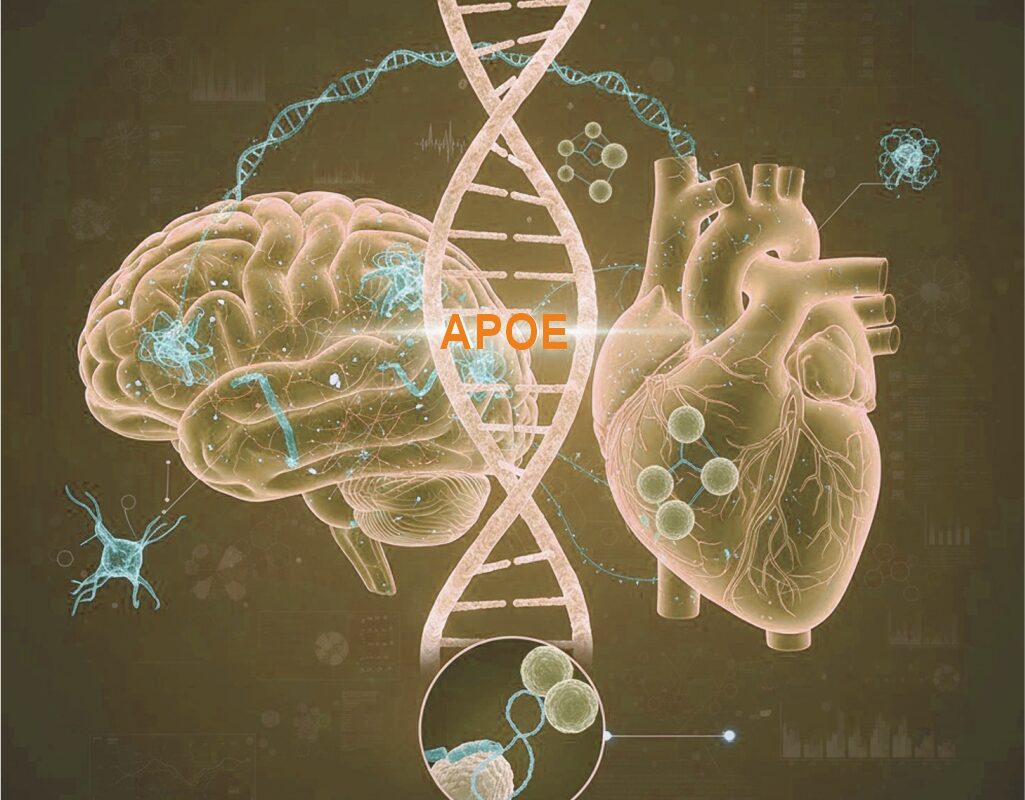

 

Is Your DNA Sabotaging Your Cholesterol? The Gene That Links Heart and Brain Health

We personalize everything in our lives, from playlists to financial plans. Why rely on one size fits all health advice for your most vital organs—your brain and heart?

The secret to sharper memory and a resilient heart isn’t found in a fad. It’s encoded in your DNA. Understanding this genetic factor isn’t a threat; it’s a strategic advantage in your quest for long term vitality.

Your Genetic Risk Factor: The APOE Gene

Meet the APOE gene (Apolipoprotein E). It acts as your body’s chief fat and cholesterol traffic controller, profoundly influencing two major health areas:

  • Heart Health: It dictates how efficiently your body transports and clears fats, directly impacting your cholesterol profile and arterial health.


  • Brain Health: It is essential for neuron maintenance and clearing cellular debris, a process crucial for memory loss prevention.


Everyone carries two copies of this gene. However, the presence of the E4 allele is a key genetic factor that heightens your risk profile for both cardiovascular issues and conditions like ‘Late Onset Alzheimer’s Disease’.

Crucial Insight: Carrying this gene variation does not 

guarantee illness. It simply means your genetic blueprint requires a more focused, personalized prevention plan.


The Anti Destiny Playbook: Personalized Nutrition & Your DNA

This is where the power of Nutrigenomics the link between your genes and nutrition offers the ultimate defence.

If your APOE status is the blueprint of potential risk, your nutrition and lifestyle choices are the engineers who can modify that structure. Knowledge is control.

 Your 3 Point Strategy for Prevention

Knowing your genetic status immediately shifts your health strategy from guessing to precision.

  1. Stop Diet Guesswork: If you carry the  E4 allele, your body is less efficient at clearing certain fats. You need a customized plan for precision fat management. Generic “healthy eating” isn’t enough; you must strategically limit or swap specific fats that your unique metabolism struggles with, directly lowering both your cholesterol and inflammation.
  2. Targeted Anti Inflammation: This variant creates greater cellular stress. Your personalized plan must prioritize nutrients—specific Omega 3s, antioxidants, and vitamins—that are scientifically proven to combat neuro inflammation and protect your blood vessels. This is targeted protection against cognitive decline.
  3. Prioritize Dual Impact Choices: Use your genetic knowledge as the ultimate motivation for non negotiable habits: Daily aerobic exercise (the most potent defence for both your heart and your brain), optimal sleep, and effective stress reduction.

Ready to Find Your Personalized Prevention Plan?

In a world full of generic advice, choosing to ignore the specific guidance of your DNA is a critical mistake.

The truly intelligent question is: “What is the most powerful, customized defence strategy I can build based on my unique genetic code?”

Understanding your APOE status is not about fear; it’s about gaining control over your future. It’s the knowledge you need to start the conversation about a truly personalized prevention plan that anticipates risk.

Your DNA holds the key to the most effective health plan you will ever have. It’s time to unlock it and begin living with the clarity and confidence of knowing your ultimate health roadmap.

To translate this crucial genetic information into a practical, actionable lifestyle blueprint, seek out specialized expertise in nutrigenomics and personalized risk management. This informed conversation is the single most powerful step you can take toward securing your long-term vitality.